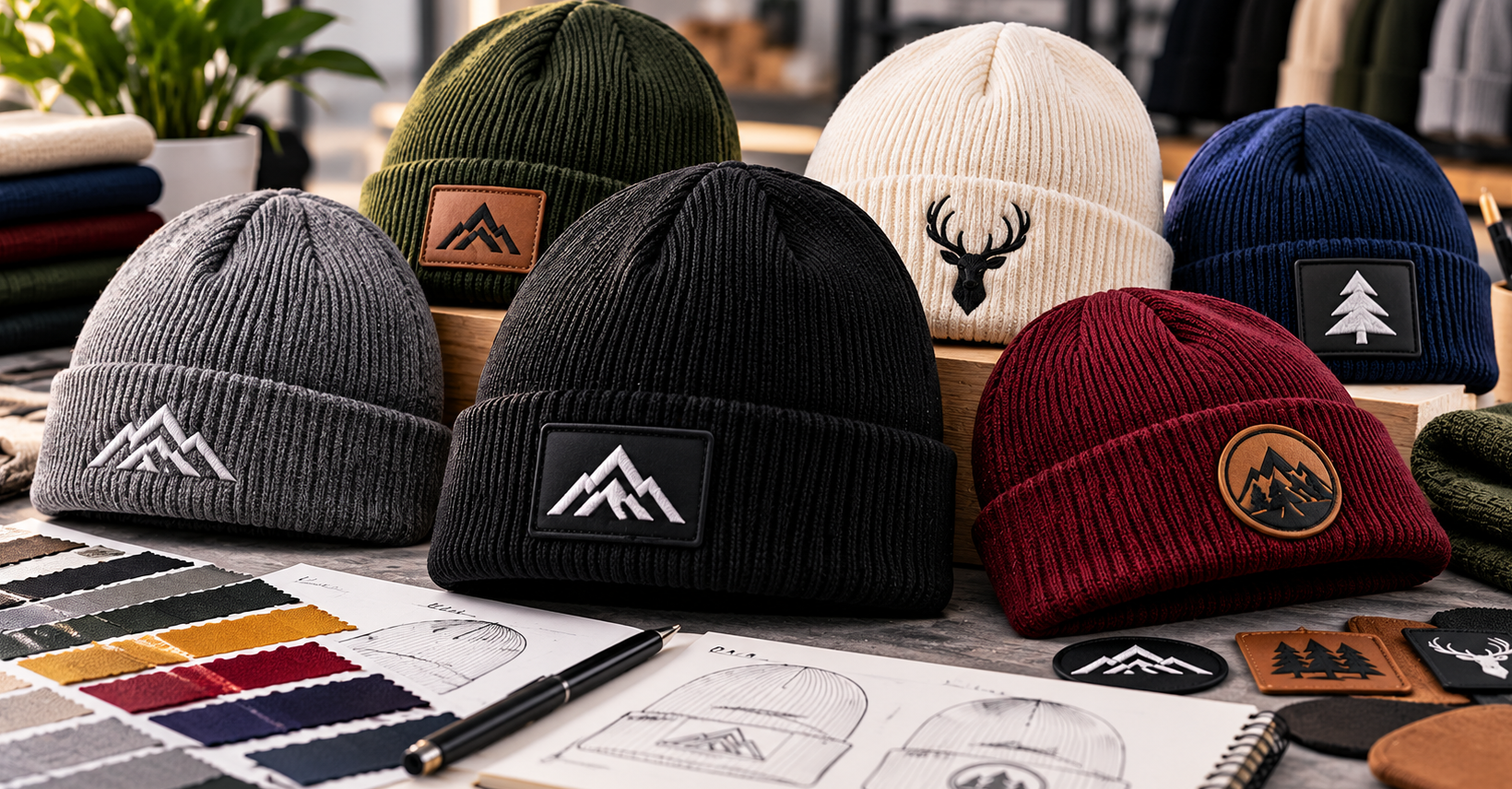
A custom beanie can be much more than a winter accessory. When it has the right fit, comfortable fabric, attractive colours, and thoughtful branding, it becomes something customers want to wear repeatedly. For clothing brands, retailers, businesses, sports teams, and event organisers, this creates an opportunity to turn an everyday item into a useful and memorable branded product.
However, designing a beanie that people genuinely enjoy wearing takes more than placing a logo on knitted fabric. The design must balance appearance, comfort, practicality, durability, and the preferences of the people who will wear it. A stylish design that feels uncomfortable may remain in a drawer, while a comfortable beanie with a well-considered design can become a regular part of someone’s wardrobe.
At Custom Beanie Makers UK, understanding these details can help customers make better choices when creating personalised headwear. Whether you are developing a new clothing collection, preparing branded merchandise for employees, or planning a promotional giveaway, the right design decisions can make a noticeable difference.
In this guide, we explain how to design custom beanies that customers actually want to wear, from choosing the right style and material to selecting colours, adding logos, and preparing your design for production.
1. Understand Who Will Wear Your Custom Beanies
The first step in designing a successful custom beanie is understanding your target audience. Different customers have different expectations, and a design that works for one group may not appeal to another.
Before selecting materials or deciding where to place your logo, consider who will receive or purchase the finished beanies.
For clothing brands
Fashion brands need beanies that complement their existing collections. Customers may look for attractive colours, modern silhouettes, subtle branding, and materials that feel comfortable against the skin.
A minimal embroidered logo, a small woven label, or a carefully selected colour combination can help create a premium appearance without making the design feel overcrowded.
For businesses and corporate teams
Companies often use custom beanies as employee clothing, outdoor workwear, customer gifts, or branded merchandise. These designs should reflect the company’s visual identity while remaining practical enough for regular use.
Neutral colours, comfortable fabrics, and clearly presented logos are useful starting points. If employees work outdoors, warmth and durability should be priorities alongside appearance.
For sports clubs and outdoor groups
Sports teams, hiking groups, cycling clubs, and outdoor organisations may need beanies that offer warmth, a secure fit, and easy recognition.
Team colours and distinctive logos can strengthen a shared identity. The beanie should also suit the activity, particularly if it will be worn beneath a hood or helmet.
For promotional campaigns and events
Event organisers often want branded beanies that attendees will continue using after an event ends. Instead of treating the product as a disposable giveaway, consider what would make it attractive enough to become part of someone’s everyday wardrobe.
A useful design, wearable colour, comfortable knit, and tasteful logo placement can all improve its appeal.
Design tip: Write a short customer profile before starting the design. Include the intended age range, typical activities, preferred clothing style, climate, and expected budget. These details will help guide your decisions.
2. Choose the Right Beanie Style
The shape and construction of a beanie influence both its appearance and how customers wear it. Choosing the right style is therefore one of the most important design decisions.
Cuffed beanies
Cuffed beanies feature a folded section around the lower edge. This creates a structured appearance and provides a natural location for embroidery or a woven label.
They are suitable for streetwear brands, corporate merchandise, winter collections, and team clothing. The cuff can also make the design feel more substantial, depending on the knit and construction.
Slouchy beanies
Slouchy beanies have additional length that creates a relaxed shape at the back or top of the head. They are often associated with casual fashion and streetwear.
These designs work well when the target audience prefers an informal look. However, the proportions should be considered carefully so that the beanie does not feel excessively loose or awkward to wear.
Fisherman-style beanies
Fisherman beanies typically feature a shorter fit and a folded cuff. They are popular in contemporary casual clothing and can create a distinctive silhouette.
Their compact design often suits small embroidered logos, woven labels, and understated branding. Make sure the chosen fit is comfortable and appropriate for the intended customers.
Pom-pom beanies
Pom-pom beanies have a decorative feature at the top, giving them a playful winter appearance. They can work well for family collections, winter promotions, school merchandise, and seasonal retail products.
The pom-pom should complement the overall design rather than compete with the logo or colour scheme.
Lightweight beanies
Lightweight beanies are suitable for milder weather, transitional seasons, and customers who prefer a less bulky accessory. They can also be useful for layering under hoods.
The material and knit should be chosen according to the intended use. A lightweight fashion beanie may have different performance requirements from a thermal accessory designed for outdoor work.
How to select the best style
Consider the customer’s wardrobe, local weather, intended activities, and preferred fit. If possible, review physical samples before committing to a large production run.
The goal is not simply to choose a fashionable style. It is to select a shape that customers can comfortably incorporate into their everyday lives.
3. Select Comfortable, High-Quality Materials
Comfort is one of the biggest factors influencing whether customers repeatedly wear a beanie. Even an attractive design may disappoint if the material feels scratchy, overheats the wearer, or loses its shape after use.
Different fibres offer different advantages, so your choice should match the purpose and price point of the product.
Acrylic
Acrylic is commonly used in knitted headwear because it can provide a soft feel, useful warmth, and a wide range of colours. It can be a practical choice for fashion beanies, promotional products, and larger branded orders.
The quality of acrylic yarn and the knitting construction both affect the finished feel. Ask about the material specification rather than assuming that every acrylic beanie will perform identically.
Cotton
Cotton beanies can be suitable for lightweight designs and customers who prefer a natural fibre. Depending on the construction, cotton may be useful for spring collections, casual wear, and fashion-focused products.
Cotton does not automatically provide the same warmth or moisture-management characteristics as every other fibre, so consider the intended climate and use.
Merino wool
Merino wool is valued for its softness and temperature-regulating properties. It may be suitable for premium beanies, outdoor collections, and customers who are willing to pay more for a higher-end material.
However, wool products require appropriate care, and people have different sensitivities to fibres. Check the specific yarn composition and care instructions before making claims about softness or performance.
Recycled fibres
Recycled polyester and other recycled yarn options may be appropriate for brands that want to incorporate recycled materials into their products.
If sustainability is important to your audience, verify the supplier’s material information and any relevant certifications. Avoid making broad environmental claims without evidence to support them.
Blended fabrics
Blended yarns combine different fibres to achieve particular characteristics, such as softness, stretch, durability, or ease of care.
The right blend depends on the design and intended use. Ask your manufacturer about the composition, expected feel, washing requirements, and suitability for embroidery or labels.
Questions to ask before choosing a material
Before approving a custom beanie, consider:
- Does the material feel comfortable against the forehead and ears?
- Is the weight suitable for the season and climate?
- Does the knit offer enough stretch for the intended fit?
- Is the fabric likely to maintain its shape with normal use?
- Will the material support the planned logo or label?
- Are the care instructions suitable for the target customer?
A sample can help you evaluate these characteristics before ordering larger quantities.
4. Design a Colour Palette Customers Will Actually Wear
Colour has a major influence on the appeal of custom beanies. A shade that looks attractive on a digital mockup may not suit every customer’s wardrobe, so it is worth considering both brand identity and everyday wearability.
Start with versatile colours
Black, navy, grey, cream, charcoal, and brown can be useful options because they coordinate with many outfits. These colours are often suitable for corporate merchandise, minimal streetwear, and everyday winter accessories.
They can also provide a neutral background that allows an embroidered logo or woven label to stand out.
Introduce your brand colours thoughtfully
Your company’s colours can make the beanie recognisable, but using every brand colour at once may create a busy appearance.
Instead, consider using one main colour with a contrasting logo. Another option is to select a neutral beanie and introduce brand colours through a small label, embroidery, or subtle detailing.
Use bold colours strategically
Bright red, royal blue, orange, green, and other saturated shades can be useful for sports teams, outdoor groups, youth collections, and promotional campaigns.
These colours can create a strong visual identity, particularly when they match the intended audience. However, they may be less versatile for customers who prefer understated clothing.
Think about contrast
A logo needs enough contrast against the knitted surface to remain recognisable.
For example, a dark logo on a dark beanie may become difficult to see, while a light logo on a light background may lack definition. Check the contrast before finalising the design.
Consider colour availability
The exact shade of yarn can vary by supplier and production batch. Screen colours may also differ from the finished product.
Request colour references or physical samples where possible, especially if the beanie must match existing uniforms, branded clothing, or a wider retail collection.
A strong colour strategy makes the beanie easier to wear while preserving the brand’s visual identity.
5. Make Your Logo Look Natural on the Beanie
Branding is often the most recognisable part of a custom beanie, but the logo should work with the shape, knit, and overall style of the product.
A logo that looks perfect on a website header may need adjustments before it can be applied to knitted fabric.
Keep the design clear
Small headwear surfaces limit the amount of detail that can be displayed effectively. Complex illustrations, tiny lettering, and thin lines may become difficult to reproduce at a small size.
Where necessary, create a simplified version of your logo for headwear. Preserve the most recognisable features, such as a symbol, initials, or short wordmark.
Choose an appropriate logo size
A logo should be visible without overwhelming the beanie. The ideal size depends on the design, the style of headwear, and the available branding area.
A small logo can create a subtle, premium appearance. A larger graphic may suit bold streetwear or team merchandise.
Ask for a visual mockup at the intended size rather than judging the design only from a large digital file.
Select the right placement
Common logo placements include:
- Front cuff: A conventional location that makes the logo easy to see.
- Side cuff: A more understated option for minimal branding.
- Woven front label: Useful for detailed artwork or a fabric-label appearance.
- Folded edge or lower section: Suitable for certain label designs, depending on construction.
- Custom knit-in design: A way to incorporate patterns or lettering into the knitted structure, where supported by the manufacturer.
The construction of the beanie determines which locations are practical. Confirm the available placement options before finalising your artwork.
Avoid unnecessary branding
Adding several logos, slogans, and decorative elements can make a simple accessory look crowded. For many brands, one clear logo and a complementary colour scheme are enough.
The best branding is not necessarily the largest. It is the branding that looks intentional and suits the product.
6. Choose the Right Customisation Method
The customisation method affects the beanie’s appearance, texture, cost, and suitability for different designs.
Embroidery
Embroidery uses stitched thread to create a logo or design on the material. It can provide a textured, durable-looking finish that works well for many branded beanies.
Embroidery is particularly suitable for simple logos, initials, symbols, and short text. Fine details may need to be simplified to work properly at a small size.
The knit construction is important because highly stretchy or loosely knitted surfaces may require additional consideration. Ask the manufacturer whether the chosen beanie is suitable for the intended embroidery.
Woven labels
Woven labels are produced by weaving the design into a label rather than stitching the complete graphic directly into the beanie.
They can reproduce smaller details and lettering effectively, depending on the label specification. Labels may be sewn onto the cuff or another suitable area.
This option is worth considering for fashion brands that want a clean, fabric-based branding detail.
Printed labels and patches
Printed labels or patches can be useful for artwork that includes gradients, fine details, or a wider range of colours, depending on the printing method and patch material.
The attachment method and surface should be checked to ensure the finished design looks neat and remains secure during normal use.
Knit-in branding
Some beanies can incorporate logos, lettering, or patterns directly into the knitted construction. This can create an integrated appearance without adding a separate logo patch.
Knit-in designs are subject to technical limitations, including the number of colours, stitch structure, and complexity of the artwork.
How to make the right choice
Compare the methods according to logo complexity, desired appearance, material compatibility, production budget, and expected order quantity.
Do not assume that one method is best for every design. Request recommendations based on your artwork and the specific beanie style.
7. Prioritise Fit, Stretch, and Everyday Comfort
A beanie should stay in place without feeling too tight. If it slips off, creates pressure around the forehead, or stretches out quickly, customers may stop wearing it.
Fit should therefore be treated as a design requirement rather than an afterthought.
Consider head size and stretch
Many knitted beanies use stretch to accommodate different head sizes. However, the amount of stretch varies by yarn, knit structure, construction, and finishing.
Ask your supplier for the intended size range and available measurements. If your audience includes children or people with specific fit requirements, check whether separate sizes are available.
Avoid excessive tightness
A very tight beanie can cause discomfort during extended wear. On the other hand, a loose design may slide around or fail to cover the ears properly.
The right balance depends on the intended style. A fisherman beanie and a slouchy beanie, for example, are designed to sit differently on the head.
Check the cuff
The cuff affects the appearance and fit around the forehead. A cuff that is too narrow may provide less room for branding, while an excessively bulky cuff may change the proportions of the design.
Review the cuff height, fold, and logo position together.
Test the finished sample
Try the sample on different people within the intended customer group. Check whether it feels comfortable, covers the desired area, and retains its shape after being removed.
This simple step can reveal problems that are difficult to identify from a product photograph alone.
8. Balance Style With Practical Warmth
A custom beanie should suit the conditions in which customers will wear it. A lightweight fashion accessory has different requirements from a beanie intended for cold-weather work or outdoor activities.
Consider the climate, the expected duration of wear, and whether customers will use the beanie on its own or underneath a hood.
For colder conditions, a denser knit or warmer fibre may be appropriate. For milder weather, a lighter construction may be more comfortable.
If the beanie is intended for outdoor workers, consider whether the design accommodates the person’s other clothing or equipment. For example, a bulky pom-pom may not suit every work environment.
It is also important to avoid unsupported claims. A beanie’s warmth depends on several factors, including fibre, knit density, fit, wind exposure, and construction. Choose materials based on their documented characteristics and the product’s intended use.
The most successful designs balance visual appeal with the practical needs of the wearer.
9. Create a Design That Feels Unique
A custom beanie should offer something beyond a generic product with a logo attached. Distinctive details can make it more memorable while keeping the design wearable.
Use a signature colour combination
A recognisable combination of two colours can help establish a consistent look across your collection.
For example, a neutral beanie with a contrasting cuff label may suit a minimalist clothing brand, while a two-tone design could work for a sports club or youth collection.
Experiment with texture
Different knit structures, ribbing, cuffs, and yarn finishes can change the appearance of a beanie without requiring a complicated graphic.
Texture is particularly useful when you want a premium-looking product with restrained branding.
Introduce a woven label
A carefully designed woven label can give a beanie a distinctive identity. It can display a logo, initials, or a short brand name in a compact format.
Keep the label proportional to the cuff and check that its edges and attachment are neat.
Develop a consistent collection
If you are creating beanies for a clothing brand, think beyond a single colourway. A small collection of related designs can give customers more choice while maintaining a recognisable brand style.
You might offer the same design in neutral and seasonal colours, for example, or create different styles that share a common label.
Avoid following every trend
Trends can provide inspiration, but a beanie should remain useful beyond a short fashion cycle if long-term wearability is your goal.
Choose design elements that suit your customers rather than adding details simply because they are currently popular.
10. Make Sustainability Part of the Design Process
Many customers want to understand how their clothing and accessories are made. If sustainability matters to your audience, consider material sourcing, product longevity, packaging, and the information you provide about the finished item.
Choose materials carefully
Depending on availability, you may be able to explore recycled fibres, responsibly sourced wool, or other materials with relevant supporting documentation.
Check the exact composition and supplier claims. A material should not be described as sustainable solely because it contains a small percentage of recycled fibre.
Design for longer use
A product that customers enjoy wearing for a long time can be more useful than one designed around short-term appeal.
Comfortable materials, durable construction, timeless colours, and secure branding can all support longer use when combined with suitable care.
Provide clear care instructions
Customers should know how to wash, dry, and store their beanies according to the material and construction.
Care instructions should follow the manufacturer’s guidance. Avoid recommending hot washing or tumble drying unless the product specification supports it.
Be transparent about claims
If you promote a beanie as recycled, organic, responsibly sourced, or environmentally preferable, make sure the wording is accurate and supported by appropriate evidence.
Clear product information helps customers make informed decisions and protects the credibility of your brand.
11. Design Custom Beanies for Different Industries
The best design depends on how the beanie will be used. Custom headwear can serve several markets, but each has different priorities.
Fashion and streetwear brands
Fashion brands may focus on shape, colour, texture, and distinctive branding. A cuffed beanie with a woven label or a fisherman-style design with minimal embroidery can be a useful starting point.
Consider how the beanie will look with the brand’s existing hoodies, jackets, and other accessories.
Corporate merchandise
Businesses often need products that represent their brand while remaining suitable for employees and customers.
Choose practical colours, a comfortable fit, and a logo that remains recognisable without dominating the design. If the beanie is part of a wider uniform, match the brand colours and visual style as closely as possible.
Sports clubs and teams
Team beanies can help create a shared identity for players, staff, supporters, and volunteers.
Use the club’s colours and logo, and consider whether different sizes or styles are needed. If the beanies will be worn during outdoor training or travel, prioritise fit and suitable warmth.
Events and promotional campaigns
Custom beanies can be useful for seasonal campaigns, winter markets, charity events, and branded merchandise.
A wearable design gives recipients a reason to keep using the product after the event. Keep the branding clear and consider whether the event name, year, or slogan is necessary.
Hospitality and outdoor businesses
Businesses operating in outdoor settings may need practical headwear for staff or customers. A simple design can look professional while supporting the business’s identity.
Consider the work environment, required uniform standards, and any safety requirements before choosing the final construction.
12. Avoid Common Custom Beanie Design Mistakes
Even a promising concept can produce a disappointing result if important details are overlooked. Reviewing the design before production can help prevent unnecessary revisions and wasted budget.
Using a logo with too much detail
Tiny text, thin outlines, and complicated illustrations can become difficult to reproduce on knitted surfaces.
Better approach: Prepare a headwear-specific logo version and request a production-ready mockup.
Choosing colours only from a screen
Digital colours do not always match the final yarn or label. Lighting and display settings can also affect how a colour appears.
Better approach: Request colour references or physical samples for important colour matches.
Ignoring the material’s feel
A product can look attractive in a photograph but feel uncomfortable during actual wear.
Better approach: Test the material against the skin and review its stretch, weight, and finishing.
Making the branding too large
Oversized logos may work for certain fashion styles, but they can reduce versatility for corporate or everyday use.
Better approach: Compare multiple logo sizes on the same mockup before making a decision.
Skipping the sample stage
A digital design cannot fully communicate the feel, fit, stitching, and colour of the finished product.
Better approach: Approve a physical sample where possible, especially for large orders or a new design.
Forgetting the intended use
A fashion-focused beanie may not be suitable for demanding outdoor conditions, while a heavy winter design may be uncomfortable in milder weather.
Better approach: Match the construction and material to the customer, climate, and activity.
Overlooking care requirements
Some fibres need more careful washing or drying than others.
Better approach: Confirm the care instructions before finalising the product specification.
13. How to Prepare Your Artwork for Custom Beanie Production
Once the design concept is ready, prepare the artwork and product specifications so the manufacturer can assess whether the design is achievable.
Start with a clear, high-resolution logo file. A vector file is often useful for logos because it can be resized without losing the same kind of detail as a small raster image. If you only have a PNG or another image format, ask the manufacturer whether it is sufficient.
Your design brief should include:
- The preferred beanie style and colour.
- The material or material requirements.
- The logo file and any brand guidelines.
- The intended logo size and placement.
- The preferred customisation method.
- Any required size range.
- The order quantity and target budget.
- The intended delivery timeframe.
If you need exact brand colours, include recognised colour references where available. If the logo contains fine lettering, ask whether the manufacturer recommends simplifying it for embroidery or converting it into a woven label.
Review the mockup carefully. Check spelling, proportions, alignment, contrast, and placement before approving production.
For larger orders, make sure the final specifications are confirmed in writing. This helps both sides understand what has been approved and reduces the risk of avoidable misunderstandings.
14. Understand Your Budget Before Finalising the Design
The cost of custom beanies depends on several factors, so it is useful to establish a realistic budget before making final design decisions.
Order quantity
The number of beanies ordered can influence the unit price. Ask your supplier for pricing at different quantities if you are deciding between a small test run and a larger order.
Material and construction
Different yarns, knit structures, weights, and finishing details can affect the cost. A premium material or more complex construction may require a different budget from a basic promotional beanie.
Customisation method
Embroidery, woven labels, knit-in branding, and patches may have different setup and production costs. The complexity of the logo and the number of colours can also affect the available options.
Design complexity
Multiple branding locations, special labels, unusual colour combinations, or additional finishing requirements may increase the overall cost.
Sampling and delivery
Include sample costs, shipping, packaging, and any applicable taxes or other charges when calculating the total budget.
Rather than choosing the lowest-priced option automatically, compare the product specifications, sample quality, and final delivered cost. A beanie that suits your customers and meets your quality expectations is more valuable than a cheaper design that is rarely worn.
15. A Simple Checklist Before You Place an Order
Before approving your custom beanie design, review the following points.
Audience and purpose
- Have you identified who will wear the beanie?
- Is the style appropriate for their wardrobe and activities?
- Does the design suit the season and climate?
Comfort and construction
- Is the material suitable for the intended use?
- Does the fit feel comfortable?
- Is the knit and cuff construction appropriate?
- Have you reviewed the care instructions?
Branding and appearance
- Is the logo clear at its actual size?
- Do the colours work well together?
- Is the logo placement balanced?
- Does the design match your brand identity?
Production and budget
- Have you confirmed the specifications with the manufacturer?
- Have you reviewed the mockup?
- Is a physical sample available?
- Have you accounted for customisation, delivery, and packaging?
- Are the production and delivery expectations clear?
Completing this checklist helps you approach production with greater confidence and gives the manufacturer a clearer understanding of your requirements.
Conclusion
Designing custom beanies that customers actually want to wear requires a thoughtful balance of style, comfort, quality, and branding. The most successful designs are not necessarily the most complicated. They are the ones that fit the customer’s lifestyle, feel comfortable, coordinate with everyday clothing, and communicate the brand in a natural way.
Start by understanding your audience, then choose a suitable beanie style and material. Develop a wearable colour palette, keep your logo clear, and select a customisation method that suits both the artwork and the knitted surface. Pay attention to fit, warmth, durability, and care instructions, and review a sample before committing to a larger production run.
For clothing brands, businesses, teams, and event organisers, these decisions can help turn custom headwear into a product that people continue to use rather than a promotional item they forget.
At Custom Beanie Makers UK, a clear design brief and careful planning can help you move from an initial idea towards a personalised beanie that reflects your brand and meets your customers’ expectations. Focus on the details that matter to the wearer, and your custom beanie has a better chance of becoming a valued part of their everyday wardrobe.